Vitamins For Dimentia
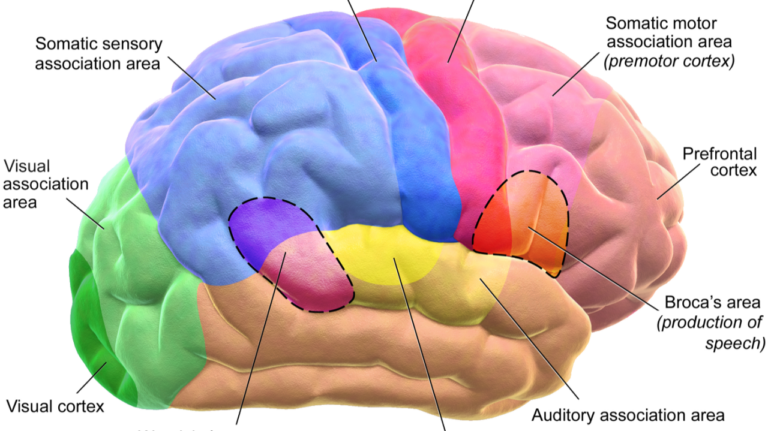
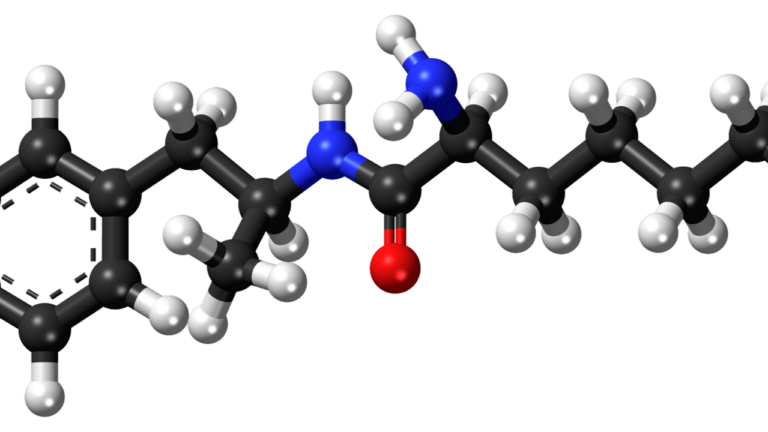
A variety of vitamins, hormones, and herbs can be combined with typical medications for dementia. B vitamins (B3, B6, B12, and folic acid): After 24 months, MRIs were conducted on the participants’ brains and compared with previous scans. Researchers noted that the group not taking B vitamins experienced a significantly greater loss of brain tissue compared to the group that did take B6, B12, and folic acid.
- Vitamin B12 helps maintain the myelin sheath, the covering and insulating layer of nerve cells.
- Vitamin B6 assists in producing neurotransmitters that facilitate communication within the body.
- Vitamin B3 helps cells, including brain neurons, repair themselves.
Multiple studies have shown a “clear link” between vitamin D deficiency and an increased risk for Alzheimer’s. Vitamin D stimulates nerve growth in the brain and also has anti-inflammatory properties. Vitamin D is one of the nutrients that our body has difficulty producing as we age, particularly after age 50, with estimates suggesting that 95% of seniors are deficient. Vitamin E:
Vitamin E is an antioxidant that protects the brain’s cell membranes and cell structure from harmful free radicals. Evidence: In a United States trial, 613 individuals with mild to moderate Alzheimer’s disease were assigned to take either a vitamin E supplement or a placebo. At the end of the 24-month study, researchers found that individuals taking vitamin E showed a slower decline and were able to complete everyday tasks more easily than those in the control group.
A growing number of herbal remedies, dietary supplements, and “medical foods” are promoted as memory enhancers or treatments to delay or prevent dementia. Claims about the safety and effectiveness of these products are primarily based on testimonials, tradition, and a relatively small amount of scientific research. The rigorous scientific studies required by the U.S. Food and Drug Administration (FDA) for the approval of prescription drugs are not mandated by law for the marketing of dietary supplements or “medical foods.” Although some of these remedies may be valid candidates for treatments, there are legitimate concerns about using these drugs as an alternative or in addition to physician-prescribed therapy: